
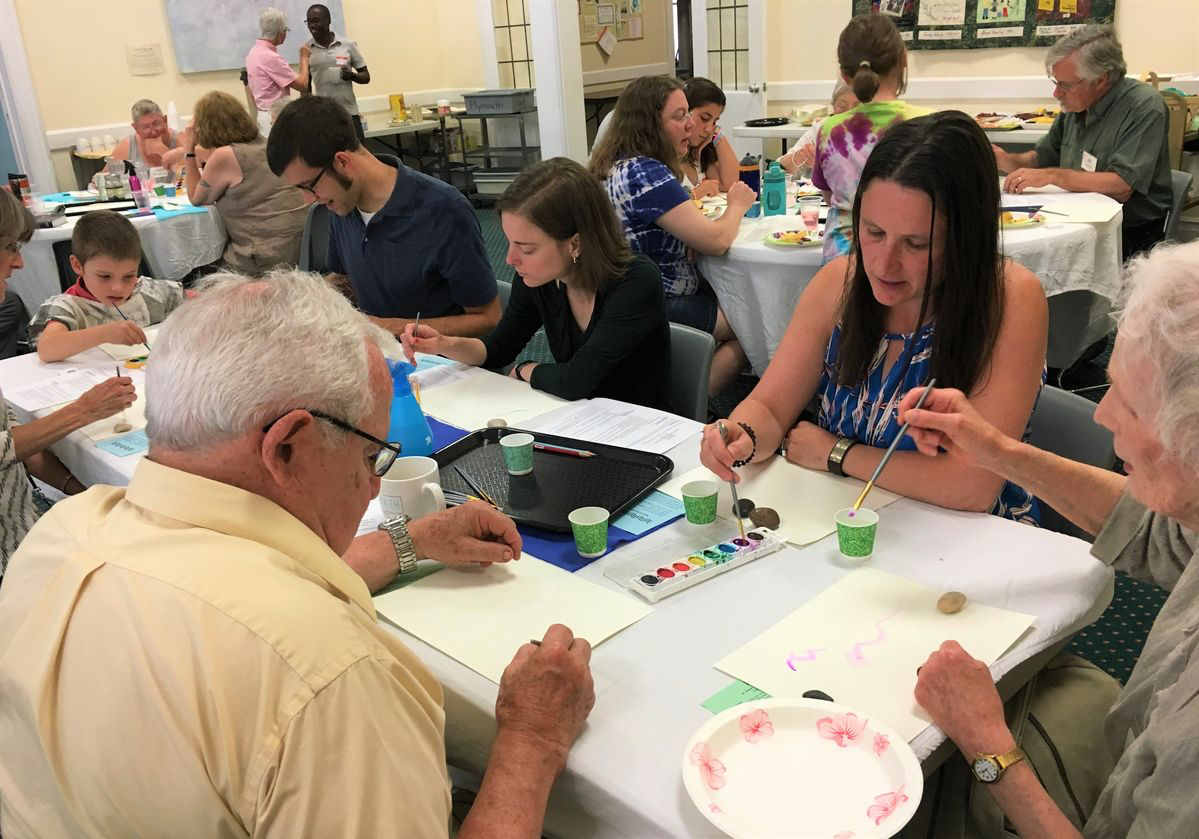
Building inclusive programs is not about adding one more activity to a calendar. It is about shaping a culture where every person feels seen, supported, and spiritually valued. In faith communities, inclusion becomes most powerful when it is intentional. Ministries that serve individuals with disabilities thrive when compassion meets structure. With thoughtful planning and a listening heart, churches can create spaces that truly welcome everyone.
Creating A Culture Of Belonging In Ministry
Inclusion starts long before a program begins. It starts with attitude. Leaders and volunteers must see individuals with disabilities as active participants, not side guests. Language matters. Tone matters. Even small interactions shape trust. When people feel safe and respected, they engage more freely. A culture of belonging grows through consistency, patience, and genuine relationships built over time.
Foundations Of A Strong Special Needs Ministry
A special needs ministry is a dedicated effort within a church to support individuals with physical, developmental, or cognitive disabilities so they can engage in faith life. It goes beyond care and focuses on spiritual growth and community connection. Strong foundations begin with understanding individual needs. Listening to families helps shape realistic programs. Clear goals guide volunteers. At its heart, this work is about dignity, purpose, and faith through a well-planned special needs ministry.
Training Volunteers For Inclusive Support
Volunteers often want to help but feel unsure. Training removes fear and builds confidence. Simple guidance on communication styles can make a big difference. Teaching patience, flexibility, and awareness prepares teams for real situations. Ongoing support keeps volunteers motivated. When volunteers feel equipped, they serve with joy. That joy becomes contagious within inclusive programs.
Designing Accessible Worship Experiences
Worship should feel welcoming, not overwhelming. Sensory-friendly options help many individuals engage more fully. Lighting, sound, and seating all play a role. Clear routines bring comfort. Visual cues and predictable flow reduce anxiety. Accessibility is not about lowering expectations. It is about removing barriers so faith can be experienced in meaningful ways by everyone present.
Partnering With Families And Caregivers
Families know their loved ones best. Their insight is invaluable. Open communication builds trust and clarity. Asking questions shows respect. Flexibility shows care. When families feel heard, they become partners rather than observers. This partnership strengthens programs and creates continuity between home and church life. Inclusion works best when families feel supported, not sidelined.
Adapting Curriculum For Diverse Learning Needs
Faith education should meet people where they are. Some learn through visuals. Others through repetition or hands-on activities. Adapting lessons does not weaken the message. It deepens understanding. Short stories, symbols, and interactive moments keep engagement high. When teaching is flexible, spiritual growth becomes accessible to all learners.
Measuring Growth And Celebrating Progress
Success looks different for everyone. For some, it is participation. For others, it is connection. Tracking progress helps leaders refine programs. Celebrating small wins builds confidence. Recognition encourages continued involvement. Growth in inclusive ministry is often quiet but deeply meaningful. Every step forward matters and deserves acknowledgment.
Conclusion
Building inclusive programs takes effort, humility, and ongoing learning. There is no perfect formula. What matters most is commitment. When churches invest in understanding, training, and partnership, inclusion becomes part of their identity. A thoughtful approach transforms lives on both sides of service. Inclusive ministry is not just an initiative. It is a reflection of faith lived out daily.