
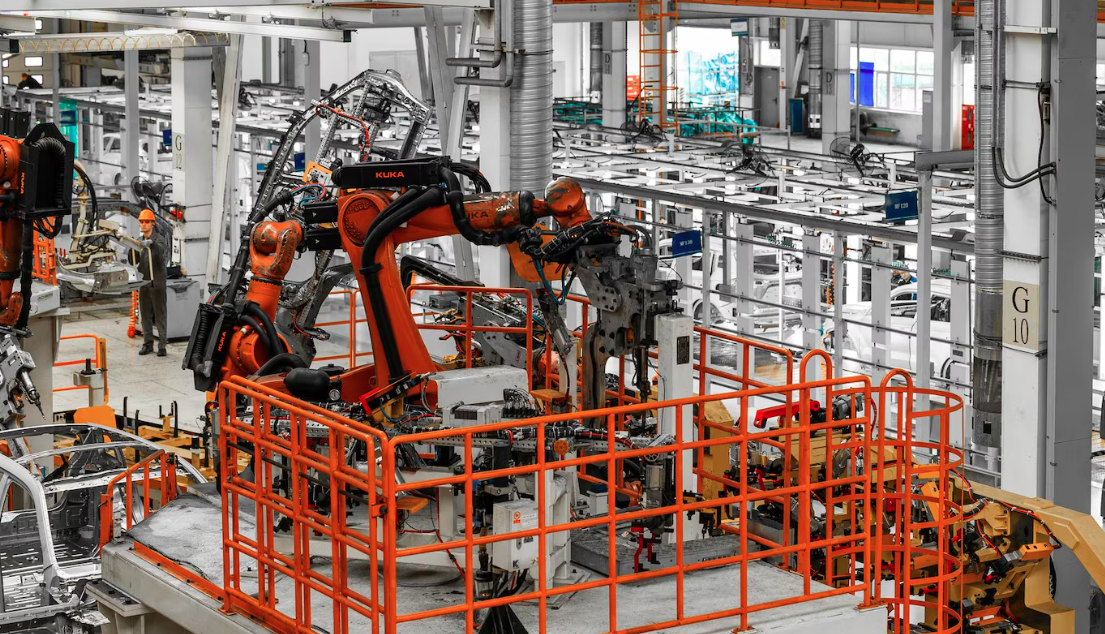
Integrating advanced technology into your production facility is a transformative step that requires careful planning and strategic foresight. As companies strive for greater productivity and consistency, finding the right technology partner becomes a paramount concern for decision-makers.
Before committing to a specific path, it is essential to evaluate the operational needs, technical requirements, and long-term implications of your chosen system.
This article explores key factors that ensure your investment in industrial automation leads to sustainable growth and improved manufacturing outcomes.
Assessing Current Operational Requirements
The journey toward technology integration begins with a comprehensive audit of your existing production processes.
Identifying the specific bottlenecks, safety concerns, or repetitive tasks that currently hinder your efficiency is vital. A solution that works perfectly for one application may be completely unsuitable for another.
By clearly defining your goals and limitations, you can ensure that the selected industrial automation strategy addresses your most pressing pain points while providing a measurable return on investment for your organization.
Scalability and Future-Proofing
Manufacturing needs evolve rapidly, and a solution that meets your current capacity may become inadequate in just a few years. It is crucial to choose systems that offer modularity and the potential for future expansion.
Look for providers that allow for software updates and hardware enhancements, ensuring your infrastructure can grow alongside your production volumes.
Planning for scalability now prevents the need for costly complete system replacements later, allowing your facility to adapt seamlessly to new market demands.
Integration with Existing Infrastructure
A new system must be able to communicate effectively with your legacy equipment and existing digital platforms. Compatibility issues are a leading cause of project delays and increased implementation costs.
Before purchasing, verify how easily the new hardware and software integrate with your current programmable logic controllers and enterprise resource planning systems.
Successful implementation relies on creating a unified ecosystem where data flows smoothly across all departments, maximizing the overall utility of your new digital assets.
Safety Standards and Regulatory Compliance
Safety is non-negotiable in any production environment. Any new machinery or process must strictly adhere to international safety standards to protect your staff and ensure operational continuity.
During the selection process, confirm that all proposed solutions meet the necessary certifications and include built-in safety features such as emergency stops and protective enclosures.
By prioritizing these standards, you protect your employees from potential hazards and minimize the risk of expensive regulatory non-compliance issues that could halt your operations.
Provider Support and Technical Expertise
The quality of support offered by your technology provider is just as important as the equipment itself. Comprehensive training for your staff and ongoing maintenance support are essential for maximizing system uptime.
Inquire about the provider’s availability for emergency troubleshooting and their commitment to providing long-term technical support.
A reliable partner in industrial automation will work closely with your team, ensuring they are fully equipped to manage the new system, which minimizes downtime and keeps production running smoothly.
Total Cost of Ownership and Value
While the initial price of equipment is a significant factor, you must consider the total cost of ownership, including installation, training, maintenance, and energy consumption.
A low-priced system that requires constant repairs or high energy input can be far more expensive over time than a higher-quality alternative.
Evaluate the long-term energy efficiency and reliability of the technology to understand the true value it brings to your business. Making a balanced financial decision ensures that your investment continues to pay dividends for years to come.