
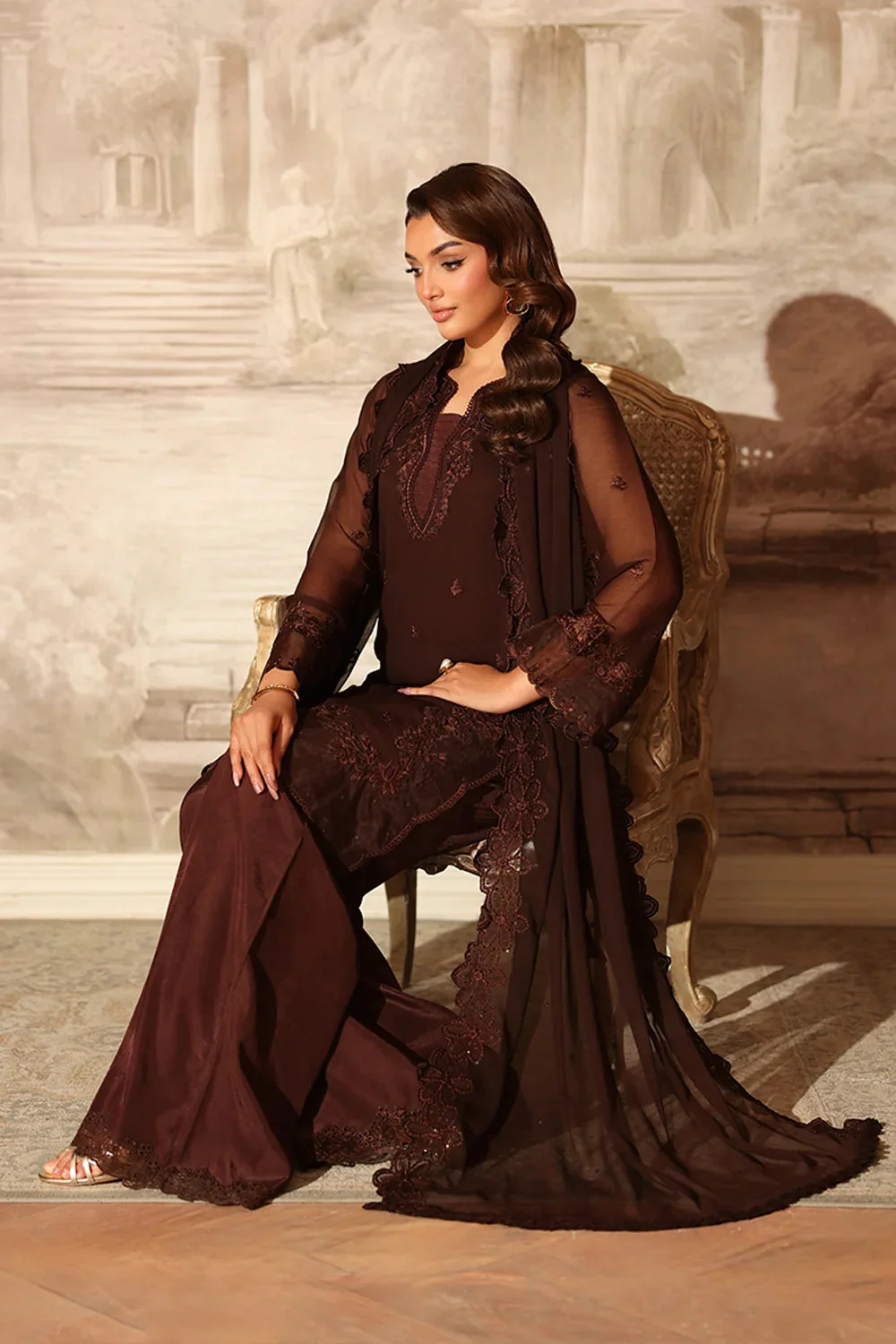
Pakistan clothes reflect a rich cultural heritage shaped by traditional craftsmanship, regional textiles, and colourful designs. From beautifully embroidered shalwar kameez to elegant lawn suits, Pakistani fashion combines cultural identity with modern style. Each region brings unique patterns, fabrics, and techniques that give traditional clothing a distinctive character. Handwoven textiles, detailed threadwork, mirror embellishments, and block printing continue to influence contemporary fashion. These elements make Pakistani clothing suitable for everyday wear, family gatherings, weddings, and festive celebrations. Understanding the traditions behind these garments helps highlight the creativity, skill, and cultural significance that make Pakistani fashion special.
The Cultural Heritage Behind Pakistan Clothes
Pakistani clothing has developed through centuries of cultural exchange, local craftsmanship, and regional traditions. Traditional garments often reflect the climate, lifestyle, and artistic heritage of the communities where they originated. The shalwar kameez remains one of the most recognisable outfits, valued for its comfort, versatility, and cultural importance. Regional embroidery, decorative borders, and distinctive fabric choices add character to each design. Traditional clothing also carries social and historical meaning, particularly during religious festivals, weddings, and other important occasions. Modern designers continue to preserve these influences while introducing updated cuts, colour combinations, and styling techniques for contemporary wardrobes.
Traditional Craftsmanship That Defines Pakistani Fashion
Traditional craftsmanship gives Pakistani clothing its distinctive appearance. Skilled artisans use techniques passed down through generations to create intricate patterns and decorative details. These methods often require patience, precision, and a strong understanding of textile design. Handmade embellishments can transform simple fabric into a detailed garment with cultural significance and artistic value.
Hand Embroidery and Detailed Threadwork
Embroidery is an important feature of Pakistani fashion, with each region offering distinctive styles and patterns. Sindhi embroidery often features colourful threads, geometric shapes, and mirror work, while Balochi clothing is known for intricate stitching and bold decorative designs. Phulkari-inspired patterns and delicate floral embroidery also influence various traditional outfits. These techniques appear on necklines, sleeves, dupattas, trouser hems, and full-length dresses. Hand embroidery adds texture and individuality, making embroidered shalwar kameez particularly suitable for celebrations and formal occasions.
Block Printing and Traditional Patterns
Block printing is another significant textile tradition in Pakistan. Artisans use carved wooden blocks to apply repeating patterns to fabric with carefully selected dyes. Floral motifs, geometric shapes, and nature-inspired designs are common choices. The technique produces distinctive patterns that often have subtle variations, giving printed textiles a handcrafted appearance. Block-printed cotton suits are popular for everyday wear because of their visual appeal and comfortable fabric options. This traditional method also supports creative textile production by combining artistic design with practical clothing needs.
Ajrak and Regional Textile Traditions
Ajrak is a traditional textile associated particularly with Sindh and parts of neighbouring regions. It is recognised for its deep indigo, rich red, black, and white colours, along with repeated geometric and floral motifs. Traditional Ajrak production involves several stages of printing, dyeing, and fabric preparation. The resulting textile is commonly worn as a shawl or used in contemporary clothing and accessories. Its enduring popularity demonstrates how regional craftsmanship can remain relevant while inspiring fresh interpretations in modern Pakistani fashion.
Popular Fabrics Used in Pakistan Clothes
Fabric selection plays an important role in the comfort, appearance, and suitability of Pakistani clothing. Different materials serve different purposes, depending on the season, occasion, and level of decoration. Lightweight fabrics are generally preferred during warmer months, while richer materials offer warmth and structure for formal events.
- Cotton: A breathable and comfortable option for everyday shalwar kameez, casual suits, and summer outfits.
- Lawn: A lightweight cotton fabric widely worn during Pakistan’s hot summer season, especially in printed and embroidered suits.
- Chiffon: A lightweight, flowing material frequently used for dupattas, formal dresses, and occasion wear.
- Silk: A smooth fabric associated with festive clothing, wedding outfits, and elegant formal designs.
- Khaddar: A thicker fabric commonly used for winter suits because of its substantial texture and practical warmth.
- Organza: A lightweight, sheer fabric often used for decorative dupattas, formal sleeves, and embellished dresses.
Selecting the right fabric helps maintain comfort while ensuring that a garment suits its intended purpose. Breathable materials are practical for daily use, whereas structured or embellished fabrics can create a more formal appearance.
Colours and Designs That Bring Traditional Clothing to Life
Colour is an essential element of Pakistani fashion. Bright shades such as mustard yellow, emerald green, royal blue, magenta, and coral frequently appear in festive collections. Softer colours, including beige, pastel pink, sage green, and powder blue, are also popular for understated daytime outfits. Traditional prints often combine contrasting colours to create visual depth, while embroidery introduces additional texture and detail. Floral patterns suit relaxed summer clothing, whereas geometric motifs and elaborate borders provide a distinctive traditional appearance. Balanced colour combinations help create outfits that feel culturally inspired without appearing overly decorative.
Modern Trends Inspired by Traditional Pakistani Clothing
Contemporary Pakistani fashion combines traditional details with modern silhouettes and practical styling. Straight-cut shirts, wide-leg trousers, short kurtis, and coordinated two-piece or three-piece suits offer different ways to wear familiar garments. Traditional embroidery may appear on minimalist outfits, while heritage prints are incorporated into contemporary cuts.
Digital printing has also expanded the variety of patterns available, making intricate designs accessible across different price ranges. Meanwhile, handmade embellishments continue to appeal to people who appreciate detailed craftsmanship. Modern styling frequently pairs traditional shirts with tailored trousers, neutral accessories, or simple footwear. These combinations preserve cultural influences while allowing greater flexibility for everyday activities, professional settings, and social occasions.
How to Select the Right Pakistani Outfit
Selecting suitable Pakistan clothes involves considering the occasion, weather, fabric, and preferred style. A practical outfit should provide comfort while reflecting the desired level of formality. Everyday clothing generally benefits from breathable materials and easy-care designs, while formal outfits may include heavier embroidery, decorative borders, or flowing dupattas.
The following tips can help simplify outfit selection:
- Consider the season: Choose lawn and cotton for warmer weather, while khaddar and other heavier fabrics work well during cooler months.
- Match the occasion: Printed suits are suitable for casual outings, while embroidered or embellished outfits are appropriate for weddings and celebrations.
- Check the stitching: Neat seams, secure buttons, and properly finished hems contribute to durability and a polished appearance.
- Balance colours and patterns: Pair heavily decorated shirts with simpler trousers or accessories to create a coordinated look.
- Review care instructions: Delicate embroidery, silk, and embellished fabrics may require gentle washing or professional cleaning.
- Prioritise comfort: Suitable sizing, breathable fabric, and practical cuts help ensure that an outfit remains comfortable throughout the day.
These considerations make it easier to select clothing that combines visual appeal, cultural character, and everyday practicality.
Preserving Traditional Craftsmanship Through Fashion
Traditional textile craftsmanship remains an important part of Pakistan’s cultural and creative industries. Embroidery, weaving, printing, and hand embellishment provide livelihoods for skilled artisans and preserve techniques that might otherwise become less common. Supporting garments inspired by these traditions helps maintain appreciation for regional art and handmade production. Responsible clothing choices can also include selecting durable fabrics, caring for garments properly, and purchasing versatile designs that remain useful beyond a single season. As fashion continues to evolve, traditional craftsmanship offers a valuable connection between cultural heritage and contemporary clothing. Its continued presence ensures that regional artistic traditions remain visible in modern wardrobes.
Discover Traditional Pakistani Fashion with Filhaal UK
Filhaal UK provides a useful destination for exploring Pakistani fashion and culturally inspired clothing in the United Kingdom. For people interested in traditional shalwar kameez, colourful prints, embroidered suits, and styles influenced by Pakistan’s rich textile heritage, Filhaal UK offers an opportunity to discover clothing that reflects these traditions. Access to Pakistani clothing in the UK is particularly valuable for cultural celebrations, family gatherings, religious occasions, and everyday wear. By bringing traditional fashion into a modern shopping environment, Filhaal UK helps maintain a connection with Pakistani style and craftsmanship. Its relevance lies in making culturally inspired clothing more accessible to people who appreciate the comfort, colour, and distinctive character of Pakistani fashion.