
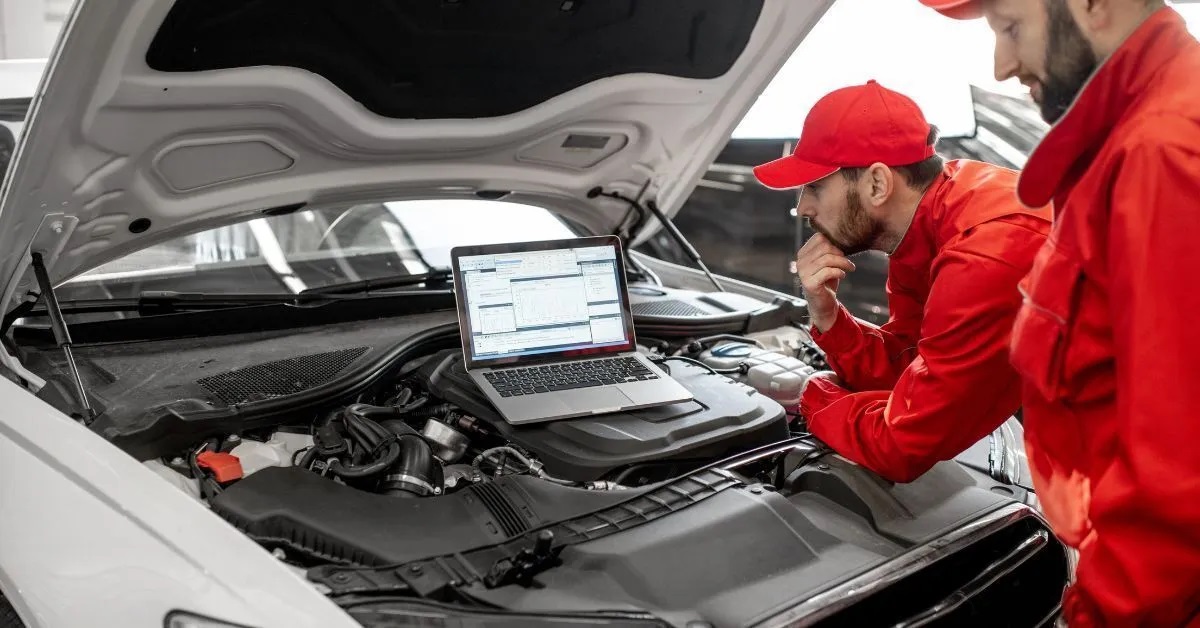
Modern vehicles rely heavily on sensor-based systems to manage safety, performance, and driver assistance features. From engine control to lane keeping and adaptive cruise control, sensors are the silent backbone of automotive intelligence. As vehicles become more digitised, Sensor Diagnostics has become an essential service allowing technicians to identify, interpret, and resolve a wide range of faults across complex electronic systems.
The Role of Sensors in Modern Vehicles
Sensors act as the nervous system of a vehicle, collecting data from various systems and transmitting it to control modules. This data informs decision-making in real time whether adjusting fuel injection in the engine, activating automatic braking, or enabling parking assist features.
The most common types of sensors in modern cars include:
- Oxygen Sensors (O2) – monitor exhaust gases for fuel-air ratio adjustments.
- Mass Airflow Sensors (MAF) – measure air entering the engine to regulate fuel delivery.
- Throttle Position Sensors (TPS) – monitor how far the throttle is open for acceleration control.
- Wheel Speed Sensors – provide input for ABS and traction control systems.
- Temperature Sensors – regulate engine cooling and cabin climate.
- Radar and Ultrasonic Sensors – detect nearby objects for ADAS systems.
- Camera Sensors – process visual data for lane departure warnings and parking guidance.
- Parking Sensors – assist with proximity alerts during low-speed manoeuvres.
Each sensor type feeds into an Electronic Control Unit (ECU) that analyses the data and responds accordingly. When sensors malfunction, the ECU may receive incorrect data, triggering warning lights or causing the system to shut down to prevent damage.
What Is Sensor Diagnostics?
Sensor diagnostics is the process of testing and analysing vehicle sensors to determine their health, functionality, and accuracy. It involves checking the sensor’s output, electrical resistance, wiring continuity, and integration with the corresponding control units.
This process typically includes:
- Reading fault codes (DTCs) through diagnostic tools
- Performing live data analysis from sensor inputs
- Conducting signal tests (voltage/frequency/resistance)
- Inspecting physical components and sensor connections
- Running bi-directional tests (activating sensors manually)
- Reviewing communication between ECUs and sensors
Unlike traditional mechanical faults, sensor issues are often subtle and intermittent. A vehicle may function normally for days before a warning light appears or a specific feature becomes unresponsive. This makes professional diagnostics not just beneficial, but necessary.
Common Signs of Sensor Failures
Sensor faults don’t always present as major breakdowns. Often, they create small but noticeable performance issues, including:
- Reduced fuel economy
- Engine misfiring or hesitation
- Non-functional cruise control
- ABS or traction control warnings
- Parking assist system failures
- Inaccurate temperature readings
- Delayed throttle response
- Faulty airbag deployment signals
Early diagnosis of these symptoms can prevent costly repairs down the line. For instance, a failing oxygen sensor can cause excessive fuel consumption or damage the catalytic converter leading to expensive emissions-related repairs.
Importance of Accurate Diagnostics
Using generic code readers or basic tools is insufficient when diagnosing sensor faults in modern vehicles. Advanced diagnostics tools such as Autel, Bosch KTS, Xentry, and Launch can access manufacturer-specific data, read real-time signals, and run component-level tests.
These tools help differentiate between:
- Sensor failure
- Wiring/connectivity issues
- ECU misinterpretation
- Intermittent voltage loss
- Software glitches or updates needed
Misdiagnosing a sensor can lead to unnecessary replacement of components that are not faulty. In worst cases, it could cause cascading failures in linked systems. Accurate diagnostics ensures that only the faulty part is addressed, saving time and cost.
Case Studies: Sensor Diagnostics in Action
- ABS Warning Light: A vehicle displays an ABS warning. Initial scanning reveals a fault with the left-rear wheel speed sensor. Upon further testing, the technician discovers the sensor is fine but the issue lies in a corroded connector causing voltage drops. Cleaning and reseating the connector resolves the fault without replacing any component.
- Poor Fuel Economy: A customer reports reduced mileage. Diagnostics point to the oxygen sensor. Live data analysis shows irregular voltage fluctuations. Replacing the sensor restores normal fuel efficiency, and post-installation testing confirms the ECU is receiving accurate readings.
- Parking Sensor Failure: Rear parking assist stops working intermittently. Diagnostic testing reveals one ultrasonic sensor is returning an open circuit. Replacement and recalibration of that sensor restore full parking assist functionality.
These examples highlight how sensor diagnostics prevent guesswork, ensuring targeted and effective repairs.
Evolving Challenges in Sensor Diagnostics
As vehicles become more advanced, sensor systems are also evolving. ADAS features such as lane centring, automatic emergency braking, and adaptive cruise rely on multiple sensors working together. When one fails, the entire system can be disabled.
Electric vehicles (EVs) and hybrids introduce additional sensor complexity. These include:
- Battery temperature sensors
- Charge level sensors
- Inverter and converter sensors
- Electric motor position sensors
- Regenerative braking system sensors
With this increasing complexity, diagnostics must evolve too. Technicians need specialised training and updated software to stay ahead. Additionally, some vehicles require sensor calibration after repairs, using manufacturer-specific targets and procedures.
Recalibration After Repairs
When replacing windshields, bumpers, ECUs, or certain body parts, many sensors require recalibration. Examples include:
- Forward-facing cameras (used for lane assist)
- Radar sensors (adaptive cruise control)
- Parking sensors (after bumper replacements)
- Steering angle sensors (after suspension work)
- TPMS sensors (after tyre replacements)
Failure to recalibrate these sensors can lead to incorrect system operation or deactivation of safety features. Proper recalibration ensures that all data received by the vehicle’s systems is accurate and aligned with its physical geometry.
Preventive Diagnostics and Maintenance
Regular sensor diagnostics can be part of a preventive maintenance schedule. This includes:
- Reviewing system fault codes during routine service
- Testing commonly failing sensors (e.g., O2, MAF)
- Updating ECU firmware that affects sensor logic
- Inspecting harnesses and connectors for corrosion
- Verifying ADAS functionality after alignment or repairs
This proactive approach helps vehicle owners avoid unexpected breakdowns, costly faults, or safety risks.
Sensor Replacement vs Repair
Some sensor issues stem from wiring faults or corroded pins rather than the sensor itself. Where possible, technicians may choose to:
- Clean connectors
- Reroute wiring
- Replace fuses or relays
- Flash updated firmware to ECUs
However, once a sensor fails internally due to wear, contamination, or damage replacement is the only option. OEM or OE-equivalent sensors ensure compatibility, reliability, and long-term performance.
Final Thoughts
Sensor Diagnostics is no longer a niche skill it is central to modern vehicle maintenance and repair. As vehicles continue to evolve into digital platforms on wheels, their reliance on accurate sensor data only grows. Faulty sensors can trigger a wide range of issues, from poor drivability and fuel waste to full system shutdowns or safety feature deactivation.
Only by using advanced tools, specialised knowledge, and vehicle-specific data can technicians accurately diagnose and resolve sensor-related faults. Whether it’s an EV with a temperature monitoring problem or a diesel SUV with ABS alerts, the right diagnostic approach ensures the correct solution is applied the first time.
Vehicle owners are encouraged to treat sensor warnings seriously and book diagnostics as soon as any dashboard light appears or a system stops responding. Ignoring these early signs often leads to more serious faults later on.
Ultimately, sensor diagnostics bridges the gap between modern automotive technology and reliable, safe driving. As cars become more connected, the importance of accurate sensor operation and expert diagnostics will only continue to grow.