
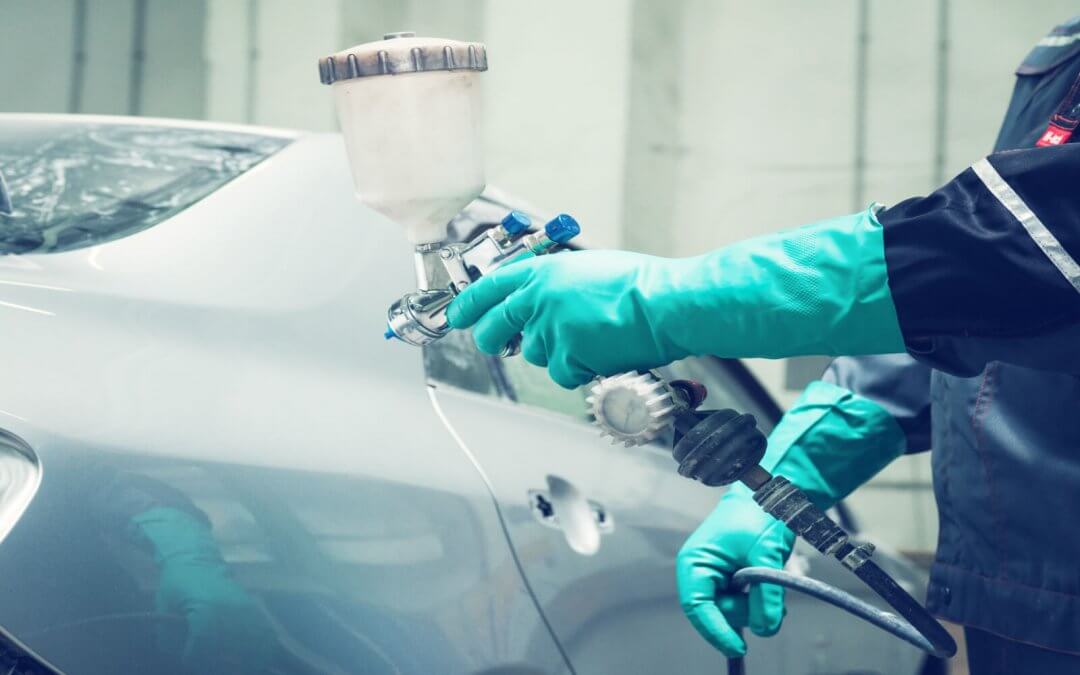
Understanding Car Body Paintwork and Re Sprays
Vehicle paintwork plays an important role in both appearance and protection. It is often the first thing people notice when viewing a car, but it also helps shield the body panels from moisture, sunlight, road debris, and environmental contaminants. Over time, paint can become dull, scratched, faded, chipped, or uneven, especially when a vehicle is used daily in changing road and weather conditions. Professional Car body paintwork & re sprays Epping services help restore surface condition while supporting the long term preservation of the vehicle.
Why Paintwork Condition Matters
Paintwork is more than a cosmetic feature. Modern vehicle paint systems are designed to protect underlying panels from corrosion and surface deterioration. When paint becomes damaged, the exposed area may allow moisture to reach the metal beneath. This can lead to rust, which may spread if not addressed early. Keeping the painted surface in good condition helps maintain both visual appeal and body panel protection.
A clean and consistent finish also supports vehicle value. Cars with faded panels, visible scratches, or mismatched paint often appear poorly maintained, even if the mechanical condition is strong. Proper refinishing can improve presentation and make the vehicle look cared for.
Common Reasons for Paintwork Damage
There are many reasons a vehicle may require paintwork attention. Stone chips from road debris are common, especially on bonnets, bumpers, and wheel arches. Parking incidents can leave scuffs and scratches on doors or corners. Sunlight may gradually fade colour, while bird droppings, tree sap, and road salt can damage the surface if left untreated.
Previous repair work can also lead to uneven colour if not completed correctly. A panel may appear slightly different from the rest of the vehicle, especially under natural light. In these cases, repainting and blending may be required to create a more consistent appearance.
Initial Vehicle Assessment
A proper paintwork repair begins with a careful inspection. The technician assesses the extent of the damage, the condition of surrounding panels, and whether the issue is limited to the surface or linked to deeper bodywork concerns. This step helps determine whether local paint correction, panel refinishing, or a larger respray is required.
The assessment also considers the age and condition of the existing paint. Older vehicles may have colour variation due to years of exposure. Understanding these details is important before refinishing begins.
Panel Preparation Before Painting
Preparation is one of the most important stages of paintwork repair. Before paint is applied, the surface must be cleaned, sanded, smoothed, and treated correctly. Any dents, scratches, or imperfections need to be addressed first, otherwise they may remain visible after refinishing.
Primer may be applied to create a stable base for the new paint. This supports adhesion and helps achieve a smoother final result. Poor preparation often leads to visible defects, peeling, or reduced durability, which is why this stage requires careful attention.
Colour Matching and Blending
Achieving the right colour match is essential when repainting part of a vehicle. Even when using the original paint code, the existing finish may have changed slightly due to sunlight and age. Professional refinishing involves matching the colour as closely as possible and blending it into surrounding panels where needed.
Blending helps avoid sharp differences between old and new paint. When completed properly, the repaired area should sit naturally within the overall finish of the vehicle.
Partial Re Sprays
Partial re sprays are suitable when damage is limited to one or a few panels. This might include a bumper, wing, bonnet, door, or quarter panel. A partial respray can correct scratches, scuffs, faded sections, or paint damage following body repairs.
The advantage of this approach is that it focuses only on the affected areas while preserving the rest of the original finish. However, colour matching and blending remain important to prevent visible differences.
Full Vehicle Re Sprays
A full respray may be considered when paint damage is widespread or when the vehicle requires a complete visual refresh. This can be useful for older vehicles with faded paint, multiple panels with damage, or previous paintwork that no longer matches evenly.
Full resprays require significant preparation because every visible panel must be treated carefully. Although more involved than partial refinishing, the result can completely transform the appearance of the vehicle when completed to a professional standard.
Paintwork After Body Repairs
Re sprays are often required after bodywork repairs. When panels are repaired or replaced, paint restoration becomes necessary to return the vehicle to a consistent appearance. The refinishing stage ensures that repaired areas do not stand out from the rest of the body.
This is especially important after accident damage, where multiple panels may be affected. Proper paintwork helps complete the repair process and restores the overall presentation of the car.
Controlled Working Conditions
Professional paint application is usually completed in a controlled workshop environment. Stable lighting, airflow, and temperature help support consistent paint application and curing. These conditions also allow technicians to identify imperfections before the vehicle is finished.
Painting in unsuitable conditions can lead to dust contamination, uneven texture, or poor finish quality. Controlled environments therefore play a major role in achieving dependable results.
Protecting Fresh Paintwork
After refinishing, proper care helps preserve the new surface. Fresh paint should be treated carefully during the early period after completion. Gentle washing, suitable cleaning products, and avoiding harsh chemicals can help maintain the finish.
Regular maintenance also reduces the build up of contaminants such as brake dust, road grime, and bird droppings. A clean surface is easier to protect and keeps the vehicle looking presentable for longer.
Impact on Vehicle Value
Paint condition can strongly influence how a vehicle is perceived. A car with clean paintwork, consistent colour, and smooth panels usually creates a better impression than one with visible damage. This can be particularly important when selling or part exchanging a vehicle.
Professional Car body paintwork & re sprays Epping services can help preserve value by improving appearance and reducing signs of age or damage.
Choosing Between Repair and Refinish
Not every paint problem needs the same level of work. Some light marks may be corrected through polishing, while deeper damage may require refinishing. If the paint layer has been broken or the surface has started to deteriorate, a more complete repair may be needed. Choosing the right method depends on condition, location, and the intended finish.
A careful decision helps avoid unnecessary work while still giving the vehicle the attention it needs. This is why inspection before painting remains so important.
Signs That Paintwork Needs Attention
Drivers may notice several signs that paintwork requires repair. Dull panels, peeling clear coat, visible scratches, bubbling paint, and uneven colour are all common indicators. Damage around bumpers, doors, and wheel arches is also frequent because these areas are exposed to road use and parking contact.
Ignoring these signs may allow the problem to spread. Early action can reduce the need for larger repairs later.
Long Term Appearance
Good paintwork contributes to the overall character of a vehicle. It makes the car look cleaner, better maintained, and more presentable. When the colour is even and the surface is smooth, the entire vehicle benefits visually.
For owners who plan to keep their vehicle, repainting damaged areas can make daily use more satisfying. For those preparing to sell, clean paintwork may improve buyer confidence and presentation.
Conclusion
Paintwork restoration is a detailed process that involves inspection, preparation, colour matching, refinishing, and aftercare. Whether a vehicle needs a small panel repair or a full respray, each stage contributes to the final appearance and durability. Properly completed paintwork protects the body, improves presentation, and helps maintain long term vehicle condition, while giving owners greater confidence in the way their car looks, feels, and presents itself during regular use throughout every journey and season.