
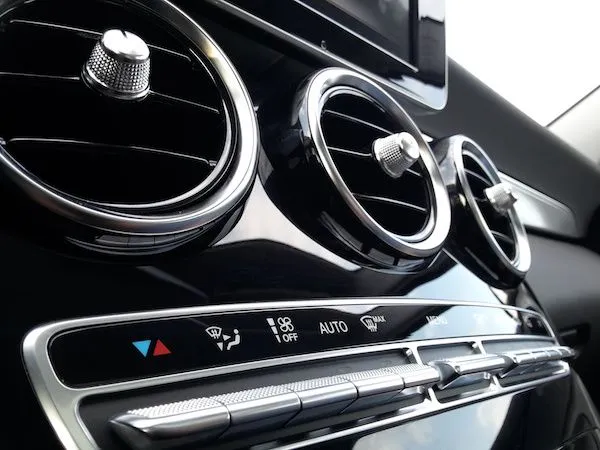
A working air conditioning system is an important part of any Mercedes-Benz vehicle. It supports cabin comfort, helps clear mist from the front windscreen, improves air quality, and contributes to a safer drive throughout the year. Many drivers only think about air conditioning during warm weather, but the system works in every season. When airflow becomes weak, cooling feels uneven, or strange smells appear from the vents, a professional service may be needed.
Mercedes-Benz climate systems are advanced compared with many standard vehicles. They rely on sensors, compressors, refrigerant circuits, control modules, vents, filters, and electronic switches working together. If one part fails, the whole system can become less effective. Proper inspection is therefore essential before any repair or recharge is carried out, as each model has specific service requirements.
Why Air Conditioning Maintenance Matters
Air conditioning is not only about cold air and quick cooling. In a Mercedes-Benz, the climate system is designed to regulate temperature, manage humidity, and support driver visibility. When working correctly, it removes moisture from the cabin, helping to demist windows quickly. It also filters dust, pollen, and airborne particles before air enters the interior.
If the system is neglected, performance slowly declines. Refrigerant levels can drop, seals may dry out, filters become blocked, and bacteria can build up inside the vents. These problems can reduce cooling power and create unpleasant smells inside the cabin.
Regular servicing helps maintain comfort and prevents minor issues from becoming expensive repairs, especially when vehicles are used daily in traffic.
Common Signs of Air Conditioning Problems
Mercedes-Benz drivers may notice several symptoms when the air conditioning system needs attention. These include:
Weak airflow from the vents
Warm air instead of cold air
Unpleasant odours inside the cabin
Noisy compressor operation
Mist that clears slowly from windows
Uneven temperature between vents
Clicking or hissing sounds
Air conditioning warning messages
Poor cabin air quality
Visible leaks or moisture near system parts
These signs should not be ignored.
Refrigerant Loss and System Recharging
Refrigerant is the gas that allows the air conditioning system to cool the cabin. Over time, even healthy systems can lose small amounts of refrigerant. When levels fall too low, the system struggles to produce cold air.
A proper recharge is more than simply adding gas. The remaining refrigerant should be recovered, the system should be vacuum tested, and the correct amount of new refrigerant should be added according to the vehicle specification.
Mercedes-Benz models may use different refrigerant types depending on age and model. Using the wrong type or incorrect quantity can affect cooling performance and may damage components. This is why correct equipment and vehicle data are important during servicing.
Leak Detection
If refrigerant levels drop quickly after a recharge, there may be a leak somewhere in the system. Common leak points include condensers, hoses, seals, evaporators, and compressor connections.
Leak detection may involve pressure testing, ultraviolet dye, or electronic leak detection equipment. Identifying the source is important because repeated recharging without repair is wasteful and ineffective.
A small leak can eventually allow moisture into the system. Moisture can react with refrigerant and oil, causing internal corrosion or blockages. Early repair helps protect the system from further damage.
Compressor Issues
The compressor is one of the most important components in the air conditioning system. It circulates refrigerant and creates the pressure needed for cooling. If the compressor fails, the system will not cool properly.
Symptoms of compressor trouble may include loud noises, poor cooling, clutch failure, or the system refusing to activate. Electrical faults, low refrigerant, or lack of lubrication can all contribute to compressor damage.
Before replacing a compressor, technicians should inspect the full system. A failed compressor may leave debris in the circuit, requiring flushing and replacement of related parts. Ignoring contamination can cause the new compressor to fail prematurely.
Condenser and Evaporator Problems
The condenser sits at the front of the vehicle and releases heat from the refrigerant. Because of its location, it is exposed to road debris, corrosion, and impact damage. A damaged condenser can leak refrigerant or reduce cooling efficiency.
The evaporator is located inside the dashboard area. It cools the air before it enters the cabin. Evaporator faults may create weak cooling, musty smells, or moisture problems. Accessing the evaporator is often more complex, so accurate diagnosis is important before repair.
Both components play key roles in system performance. A restriction or leak in either part can reduce comfort and place additional strain on the compressor.
Cabin Filter Replacement
The cabin filter prevents dust, pollen, and dirt from entering the interior air supply. Over time, it becomes blocked and restricts airflow. A clogged filter can make the system feel weak even when the air conditioning circuit itself is working properly.
Replacing the cabin filter improves airflow and helps maintain cleaner air inside the vehicle. It can also reduce odours and improve demisting performance.
Many drivers overlook this simple maintenance item, yet it has a noticeable effect on cabin comfort.
Odour and Bacteria Treatment
Unpleasant smells from the vents are often caused by bacteria, mould, or moisture inside the system. This is common when condensation collects around the evaporator.
An antibacterial treatment can clean the air pathways and reduce odours. This is especially useful for vehicles used daily or parked for long periods.
Cleaning treatments should be paired with cabin filter replacement where needed for stronger results.
Electronic Climate Control Faults
Mercedes-Benz climate systems often include automatic temperature control, multiple zones, sensors, and electronic flap motors. If the system produces different temperatures from different vents or fails to respond to settings, the issue may be electronic rather than refrigerant related.
Diagnostic equipment can check sensor values, actuator movement, control panel function, and stored fault codes.
Modern climate systems require this type of data-led inspection to avoid unnecessary part replacement.
Hybrid and Electric Vehicle Considerations
Air conditioning in hybrid and electric Mercedes-Benz models can be more complex. In some vehicles, the air conditioning system also supports battery cooling and thermal management.
Electric compressors are commonly used in these models, and they require specific servicing knowledge. Incorrect handling can affect high-voltage systems or create safety risks.
Specialist inspection is important when dealing with climate faults in hybrid or electric vehicles. Proper tools and safety procedures must be used throughout the process.
Seasonal Benefits of Air Conditioning
Air conditioning should be used regularly, even during colder months. Regular use keeps seals lubricated and helps prevent internal drying. It also clears moisture from the cabin quickly, improving visibility during wet or cold weather.
Leaving the system unused for long periods can allow seals to shrink, refrigerant to escape, and odours to build up. Running the system throughout the year helps maintain function and reduces the chance of sudden failure when cooling is needed most.
The Importance of Correct Service Procedures
Mercedes-Benz vehicles are built with specific requirements. Air conditioning service should follow the correct refrigerant type, gas quantity, oil specification, and diagnostic process for the exact model.
Incorrect servicing can reduce performance or cause component wear. A professional service includes inspection, recovery, vacuum testing, recharge, leak check, cabin filter assessment, and final temperature testing.
This complete approach ensures the system is not only filled, but also working correctly.
Conclusion
A well-maintained air conditioning system improves comfort, visibility, and air quality in every season. Mercedes-Benz climate systems are advanced and should be checked with proper tools and knowledge. From refrigerant recharging and leak detection to compressor repairs, electronic diagnostics, and cabin filter replacement, each stage plays a role in keeping the system reliable.
For drivers considering Mercedes Benz Air Condition Service Watford, the right approach is based on accurate diagnosis, correct refrigerant handling, and full-system inspection. With regular maintenance, Mercedes-Benz air conditioning can remain efficient, fresh, and dependable throughout the year.