
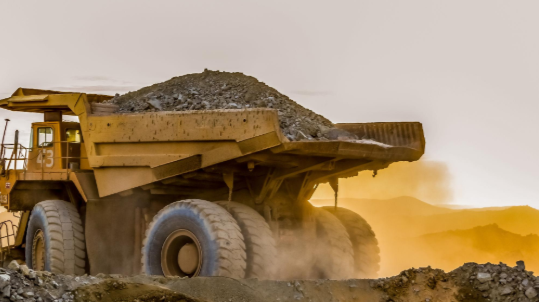
Construction work puts equipment through a lot. Gravel, sand, crushed stone, and asphalt can wear down truck bodies over time, while long shifts and rough job sites leave little room for unexpected downtime.
Choosing the right truck setup isn’t just about getting material from one place to another. It’s about finding equipment that suits your workload, keeps operators safe, and makes financial sense over the long run. A little thought before buying can save you from headaches later.
Match the Truck to Your Daily Workload
Start with the jobs your business handles most often. A contractor hauling aggregate for road construction may need a different setup from a landscaping company moving smaller loads of soil and gravel.
Consider the materials you transport, typical trip distances, site access, and how frequently the truck will be loaded and unloaded. These details help you determine the body configuration and capacity that make sense for your operation.
When comparing gravel trucks, look beyond the purchase price. The right setup should handle your everyday demands without adding unnecessary weight, complexity, or operating costs.
Pay Attention to Truck Body Construction
Heavy materials can be difficult to handle. Repeated loading, abrasive aggregate, and constant unloading put stress on the floor, sidewalls, and tailgate.
Look for a body built with materials suited to the work. Abrasion-resistant steel flooring, reinforced structural components, and well-designed support points can help a body withstand demanding use. The appropriate specifications depend on the materials being hauled and the intensity of the workload.
Reviewing specifications like these gives buyers a more useful basis for comparison than appearance alone.
Choose Capacity Based on Real Requirements
A larger body might seem like the obvious choice, but bigger isn’t automatically better. The truck’s legal payload depends on factors such as chassis ratings, axle limits, body weight, and the weight of the material being carried.
Gravel, sand, and other aggregates can vary considerably in density. A load that fits comfortably inside the body may still exceed the truck’s permitted weight.
Before committing to a configuration, discuss your typical materials and loads with the manufacturer or equipment supplier. Check applicable weight regulations and make sure the complete vehicle can carry the intended load safely and legally.
Consider Features That Make Daily Work Easier
Small design details can make a noticeable difference when a truck is working long hours. Tailgate design, tarp systems, spreader chains, and hoist controls all affect how easily operators can handle different materials and job requirements.
A gravel vibrator may help material discharge more smoothly in suitable applications, while a sealed tailgate can help limit material leakage during transport. The right options depend on your workflow, so avoid paying for features your crew rarely uses.
Think Beyond the Initial Purchase Price
Buying equipment is one expense. Keeping it productive is another. A lower-priced truck may become costly if its body wears quickly or maintenance is frequent. On the other hand, the most expensive option isn’t necessarily the best investment.
Compare expected maintenance, replacement parts, fuel consumption, downtime, and the equipment’s suitability for your usual jobs. Ask suppliers about the maintenance requirements of the specific model.