
Time is one of the most valuable resources, yet it often feels limited when balancing work, responsibilities, and personal commitments in modern life.
Developing strong time management skills allows individuals to organise tasks effectively, reduce stress, and improve overall productivity in both personal and professional settings.
This article provides clear, practical guidance to help readers build confidence, improve efficiency, and create structured routines that lead to consistent and meaningful results.
Building Strong Personal Efficiency
Understanding the Importance of Time Management Skills
Effective organisation begins with recognising how time is used throughout the day. Time management skills help individuals prioritise tasks, avoid unnecessary delays, and maintain focus on important responsibilities. By structuring daily activities, people can reduce overwhelm and improve efficiency. These skills are essential not only for meeting deadlines but also for maintaining a balanced lifestyle. When applied consistently, they lead to better decision-making and improved long-term productivity.
Key Elements That Improve Time Management Skills
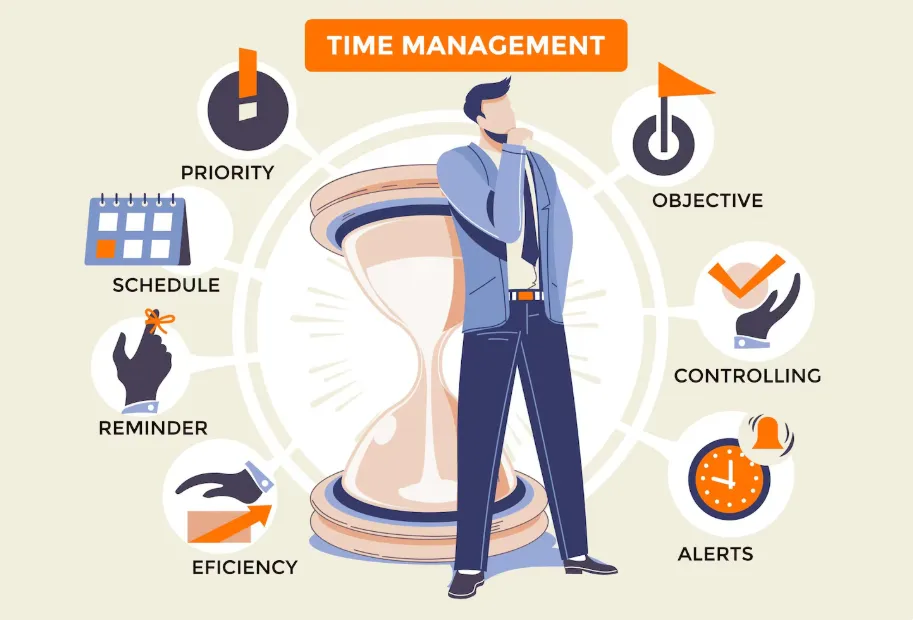
Improving personal efficiency requires focusing on essential habits that support productivity:
- Setting clear and achievable goals
- Prioritising tasks based on importance
- Avoiding distractions during focused work periods
- Allocating specific time slots for each task
These elements create a structured approach to daily activities. By applying them consistently, individuals can improve focus and achieve better results without unnecessary stress or confusion.
Practical Ways to Strengthen Daily Productivity
Building effective routines is key to improving performance. Breaking larger tasks into smaller steps makes them easier to manage. Using tools such as planners or digital calendars helps track progress. Regular reviews of daily performance allow for adjustments and improvements. Maintaining discipline and consistency ensures that productivity habits become part of everyday life. Over time, these practices contribute to greater efficiency and a more organised approach to responsibilities.
Creating Structured Time Systems
Understanding the Concept of Time Management
A structured approach to time management involves planning, organising, and controlling how time is spent on activities. It helps individuals align their daily efforts with long-term goals. By creating a clear schedule, tasks become more manageable and less overwhelming. This approach ensures that important activities receive proper attention while reducing wasted time. A well-organised system supports productivity and helps maintain a steady workflow throughout the day.
Core Benefits of Effective Time Management
Applying structured time systems offers several advantages that improve overall performance:
- Increased productivity and efficiency
- Reduced stress and better work-life balance
- Improved ability to meet deadlines
- Enhanced focus on high-priority tasks
These benefits highlight the importance of managing time effectively. A consistent approach helps individuals stay organised and maintain control over their daily activities.
Best Practices for Managing Time Effectively
To achieve better results, individuals should adopt practical strategies that support efficiency. Creating daily schedules and sticking to them ensures consistency. Limiting multitasking helps maintain focus and quality of work. Taking short breaks improves concentration and prevents burnout. Reviewing progress at the end of each day allows for better planning. By following these practices, individuals can develop a reliable system that supports long-term productivity.
Maintaining Consistency and Long-Term Success
Sustainable productivity requires ongoing effort and regular evaluation. Individuals should adapt their schedules based on changing priorities and responsibilities. Continuous improvement helps refine strategies and maintain efficiency. Developing discipline ensures that good habits are maintained over time. A structured approach to managing tasks creates stability and reduces uncertainty. By focusing on consistency, individuals can achieve long-term success in both personal and professional areas.
Conclusion: Achieving Balance Through Better Time Use
Improving daily productivity requires both strong personal habits and structured planning systems. Developing efficient routines helps individuals stay organised, while a clear approach to managing schedules ensures better control over tasks. Together, these strategies support consistent performance and reduced stress. By focusing on building effective habits and maintaining organised systems, individuals can achieve meaningful progress. Take time to review your current routine and make thoughtful adjustments for better results.