
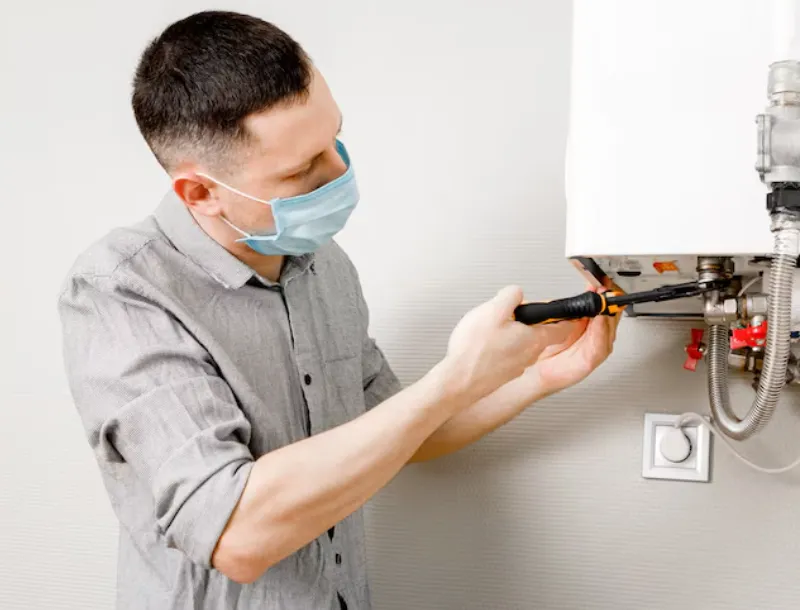
A dependable heating system plays a vital role in maintaining indoor comfort, especially during colder seasons when consistent warmth becomes essential for everyday living.
Homeowners increasingly prioritise gas boiler maintenance to ensure their systems run efficiently, safely, and without unexpected disruptions throughout the year.
This article provides practical, experience-based guidance to help you understand maintenance routines and repair needs, ensuring your heating system remains reliable and cost-effective over time.
Understanding the Importance of Boiler Maintenance
Regular upkeep is essential to keep heating systems functioning efficiently. Without proper care, even minor issues can develop into significant problems.
Gas boiler maintenance involves routine checks, cleaning, and adjustments that help maintain performance. It ensures that all components operate smoothly while reducing the risk of breakdowns. Consistent servicing also improves energy efficiency, helping homeowners manage energy consumption more effectively and maintain steady indoor temperatures.
Key Benefits of Routine Maintenance
Maintaining your heating system offers several long-term advantages that go beyond basic functionality. It supports both efficiency and safety.
Key benefits include:
- Improved energy efficiency and reduced utility costs
- Extended lifespan of the heating system
- Lower risk of unexpected breakdowns
- Enhanced safety through regular inspections
These advantages make regular servicing an essential part of responsible home maintenance and long-term planning.
Common Maintenance Tasks for Boilers
Routine servicing includes several important tasks that ensure the system operates at its best. Each task contributes to overall performance.
Typical maintenance activities involve checking pressure levels, inspecting components, cleaning internal parts, and testing safety controls. Gas boiler maintenance also includes identifying early signs of wear and addressing them promptly. These steps help maintain system efficiency while preventing potential issues from escalating into costly repairs.
Understanding the Need for Heating Repairs
Even with regular servicing, systems may occasionally require repairs due to wear or unexpected faults. Addressing these issues quickly is essential.
This is where central heating repairs become necessary to restore proper functionality. Repairs ensure that the system continues to deliver consistent heat and operates safely. Prompt attention to faults prevents further damage and helps maintain overall system efficiency.
Signs That Your Heating System Needs Repairs
Recognising early warning signs can help prevent major disruptions. Awareness allows homeowners to act before problems worsen.
Common signs include:
- Uneven heating across rooms
- Strange noises from the system
- Delays in heating response
- Unexpected increase in energy usage
Identifying these indicators early helps ensure timely repairs and maintains consistent comfort within the home.
Choosing the Right Repair Approach
Effective repairs require a structured approach that considers both the issue and the system’s overall condition. Proper planning ensures reliable results.
Central heating repairs should be carried out by qualified professionals who understand system complexities. Using appropriate tools and techniques ensures that repairs are effective and long-lasting. This approach helps restore performance while maintaining safety standards.
Combining Maintenance and Repairs for Efficiency
For optimal performance, maintenance and repairs must work together as part of a complete system care plan. This combination ensures long-term reliability.
By integrating gas boiler maintenance with timely central heating repairs, homeowners can maintain a balanced approach to system care. This ensures efficient operation, reduces unexpected failures, and supports consistent heating performance throughout the year.
Final Thoughts on Reliable Heating System Care
Maintaining a heating system requires both routine care and timely intervention. Each element plays a role in ensuring consistent performance and safety.
By focusing on regular upkeep and addressing repair needs when they arise, homeowners can create a reliable and efficient system.
Take a proactive approach, monitor your system regularly, and ensure it receives the attention needed for long-term comfort and efficiency.