
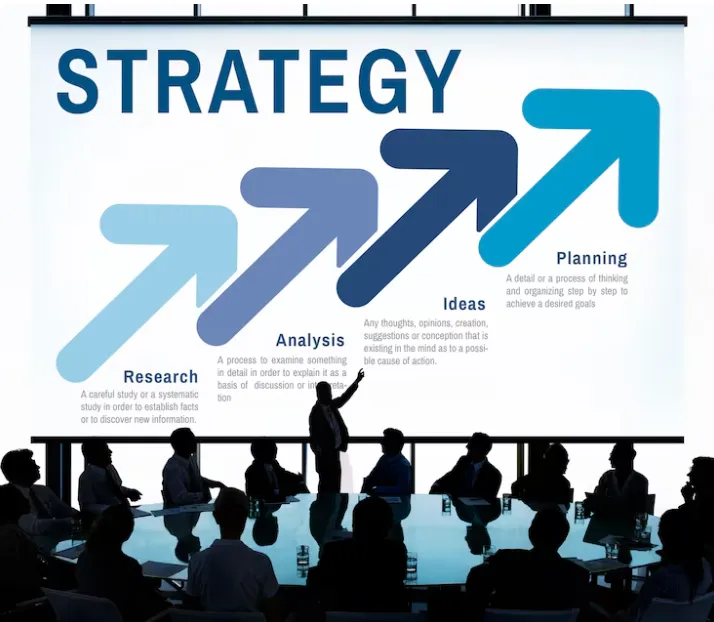
Every business follows a path of development, yet many struggle to recognise where they stand and what steps should come next for sustainable progress.
Understanding the stages of business growth allows organisations to make informed decisions, avoid common pitfalls, and align their efforts with realistic expectations at each phase.
This article provides practical insights based on proven experience, helping you identify growth phases and build a structured direction that supports long-term stability and measurable success.
Understanding Early Business Development Phases
The initial stages focus on building a foundation. Businesses work on refining their product or service while establishing a clear identity in the market.
During the early part of the stages of business growth, attention is given to customer acquisition, brand positioning, and operational setup. This phase often involves limited resources, requiring careful planning and prioritisation. A strong foundation at this stage creates the base for future expansion and reduces risks associated with rapid scaling.
Key Characteristics of Growth Stages
Each stage presents unique challenges and opportunities. Recognising these characteristics helps businesses adapt effectively and maintain steady progress.
Common features across growth stages include:
- Increasing customer demand and market exposure
- Expansion of operational processes
- Need for structured management systems
- Gradual improvement in financial stability
Understanding these traits enables businesses to respond proactively and make decisions that support consistent development without unnecessary disruption.
Transitioning Between Growth Levels
Moving from one stage to another requires careful planning and execution. Businesses must be prepared for operational and strategic changes.
Transitions within the stages of business growth often involve scaling resources, improving systems, and redefining goals. Without proper preparation, these transitions can lead to inefficiencies or missed opportunities. A well-managed shift ensures that businesses maintain stability while adapting to increased demand and complexity.
Building a Structured Strategic Framework
Long-term success depends on having a clear and actionable plan. This is where business growth strategy becomes essential for guiding expansion efforts.
A business growth strategy outlines how an organisation intends to increase its market presence, improve profitability, and sustain operations over time. It provides direction and ensures that every decision aligns with broader objectives, creating a balanced approach to development.
Core Elements of Effective Growth Planning
A strong strategy includes key components that support consistent and measurable progress. Each element should align with the organisation’s goals and resources.
Important elements include:
- Defined objectives with measurable outcomes
- Market analysis and customer understanding
- Resource management and financial planning
- Continuous evaluation and adjustment
These elements ensure that growth efforts remain structured and adaptable to changing conditions.
Aligning Growth Stages with Strategic Planning
Understanding development phases and planning expansion should work together. This alignment ensures that businesses grow at a sustainable pace.
By connecting the stages of business growth with a business growth strategy, organisations can make informed decisions about investments, resource allocation, and operational changes. This approach reduces uncertainty and ensures that growth efforts are both practical and achievable in real-world conditions.
Adapting Strategy to Market Changes
Markets are constantly evolving, making flexibility a key factor in long-term success. Businesses must be ready to adjust their plans when needed.
A well-defined business growth strategy allows organisations to respond effectively to market trends, customer behaviour, and economic shifts. Regular reviews and updates ensure that the strategy remains relevant, helping businesses maintain progress even in challenging environments.
Final Thoughts on Growth and Strategic Direction
Sustainable success requires both awareness of development phases and a clear plan for expansion. These elements work together to guide businesses towards long-term stability.
By understanding the journey of growth stages and applying a structured approach to planning, organisations can move forward with confidence.
Review your current position, refine your direction, and take thoughtful steps to achieve consistent and meaningful progress.